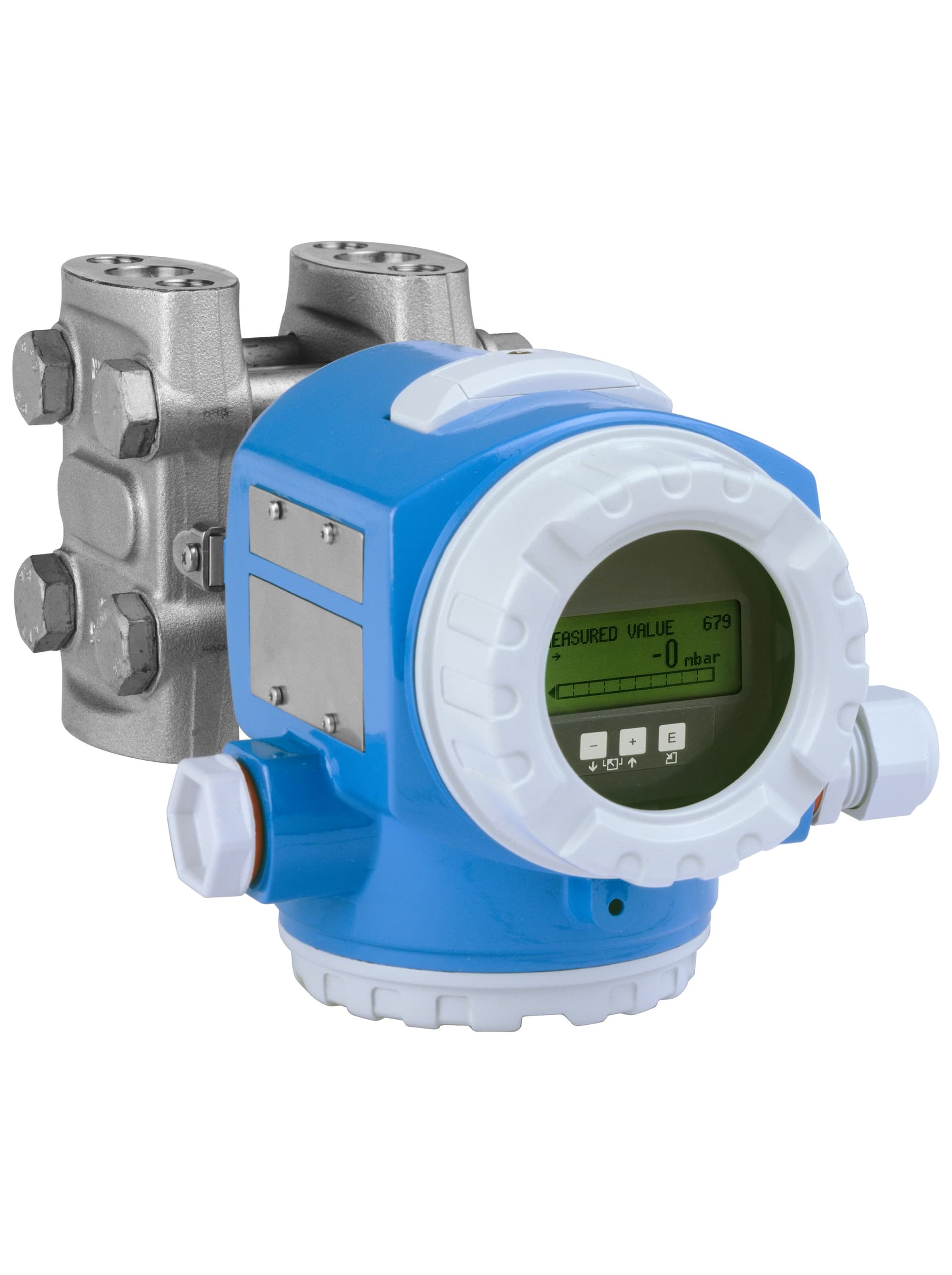
 现货 27 台
Endress+HauserPressure Sensors & Transmitters


ISO/IEC 17025 is the international standard for the competence of testing and calibration laboratories. Laboratories are accredited to it by a national accreditation body — not certified, as with ISO 9001.
本节目前仅提供英文版本
ISO/IEC 17025 — full title General requirements for the competence of testing and calibration laboratories — is the international standard against which calibration and testing laboratories are accredited. It specifies the general requirements for the competence, impartiality and consistent operation of laboratories, and applies to any organisation performing laboratory activities, whatever its size. The current edition is ISO/IEC 17025:2017; earlier editions appeared in 1999 (replacing ISO/IEC Guide 25) and 2005.
The standard asks two things of a laboratory at once: that it is managed so that it produces consistent results, and that it is technically able to produce them. The 2005 edition split its requirements into management requirements and technical requirements; the 2017 edition keeps both ideas but regroups them into five clauses:
UKAS lists what competence rests on in practice: trained staff, properly calibrated and maintained equipment, valid methods, traceability of measurements to national standards, accurate reporting and suitable facilities.
This is the distinction most buyers miss. Certification is an audit of whether an organisation conforms to a standard such as ISO 9001. Accreditation sits one rung higher: an accreditation body assesses the competence and impartiality of an organisation to carry out specific technical activities — UKAS calls it "checking the checkers". A laboratory is therefore accredited to ISO/IEC 17025, never "certified" to it.
Accreditation bodies are national — UKAS (United Kingdom), DAkkS (Germany), A2LA and ANAB (United States) among many others. Those that sign the ILAC Mutual Recognition Arrangement (ILAC MRA) have been peer-evaluated against ISO/IEC 17011 and accept each other's accredited results: "accredited once, accepted everywhere".
Accreditation is also specific: it covers only the activities on the laboratory's scope (schedule) of accreditation. A certificate from an accredited laboratory includes the results and the standards and methods used, and may carry the accreditation body's symbol — combined with the ILAC MRA mark when that body is a signatory. For calibration, ILAC's elements of traceability add a documented measurement uncertainty and an unbroken chain to a national or international standard.
| ISO/IEC 17025 | ISO 9001 | |
|---|---|---|
| Purpose | Competence, impartiality and consistent operation of testing and calibration laboratories | A quality-management system for any organisation |
| Who assesses | A national accreditation body (UKAS, DAkkS, A2LA …) | A certification body |
| Output | Accreditation for a defined scope | Certification of the management system |
| What the customer gets | A specific measurement that is technically valid, traceable and stated with its uncertainty | A supplier that runs a documented quality system |
A calibration certificate is only as good as the chain behind it. The first question is not "is the instrument calibrated?" but "against what reference, and how far does the chain go?" Barmaan's calibration certificates, issued from Erbil, state their traceability to NIST / UKAS reference standards.
Read the scope, not the logo — it lists the quantities and ranges the laboratory is accredited for, and nothing outside it is covered. Ask any laboratory:
The property of a measurement result whereby it can be related to a reference through a documented, unbroken chain of calibrations, each contributing to the measurement uncertainty (VIM 2.41). Traceability alone does not make the uncertainty adequate for a given purpose.
The quantified doubt attached to a result; every calibration in the chain contributes to it, which is why an accredited certificate states it.
The schedule of specific activities a laboratory is accredited for — and nothing else.
Accreditation bodies peer-evaluated to ISO/IEC 17011 accept each other's accredited results, so a certificate from one signatory's laboratory is recognised under the others.
本节目前仅提供英文版本
No. ISO 9001 is a quality-management standard that an organisation is certified to by a certification body. ISO/IEC 17025 is a competence standard for testing and calibration laboratories; a laboratory is accredited to it by a national accreditation body that assesses technical competence and impartiality for a defined scope. ISO's own summary notes that a laboratory conforming to 17025 will also operate generally in accordance with the principles of ISO 9001 — but the reverse is not true.
No. Accreditation is specific to the activities listed on the laboratory's scope (schedule) of accreditation. A laboratory accredited for pressure calibration is not thereby accredited for temperature or flow. For a given job, ask whether that exact measurement — quantity and range — appears on the scope, and check the scope in the accreditation body's public directory.
The International Vocabulary of Metrology (VIM) defines it as the property of a measurement result whereby the result can be related to a reference through a documented unbroken chain of calibrations, each contributing to the measurement uncertainty. In practice: the lab's reference standard was calibrated against a higher one, and so on up to a national or international standard, with every step documented. Traceability alone does not guarantee that the uncertainty is small enough for your purpose.
According to ILAC, accredited laboratories issue certificates that include the results together with information on the standards and methods used, and they may carry the accreditation body's symbol — combined with the ILAC MRA mark when that body is an MRA signatory. ILAC's elements for confirming traceability add a documented measurement uncertainty and an unbroken chain to a national or international standard. If a certificate states none of these, ask why. You can check the laboratory's status and scope directly with its accreditation body.
现货 27 台Endress+HauserPressure Sensors & Transmitters
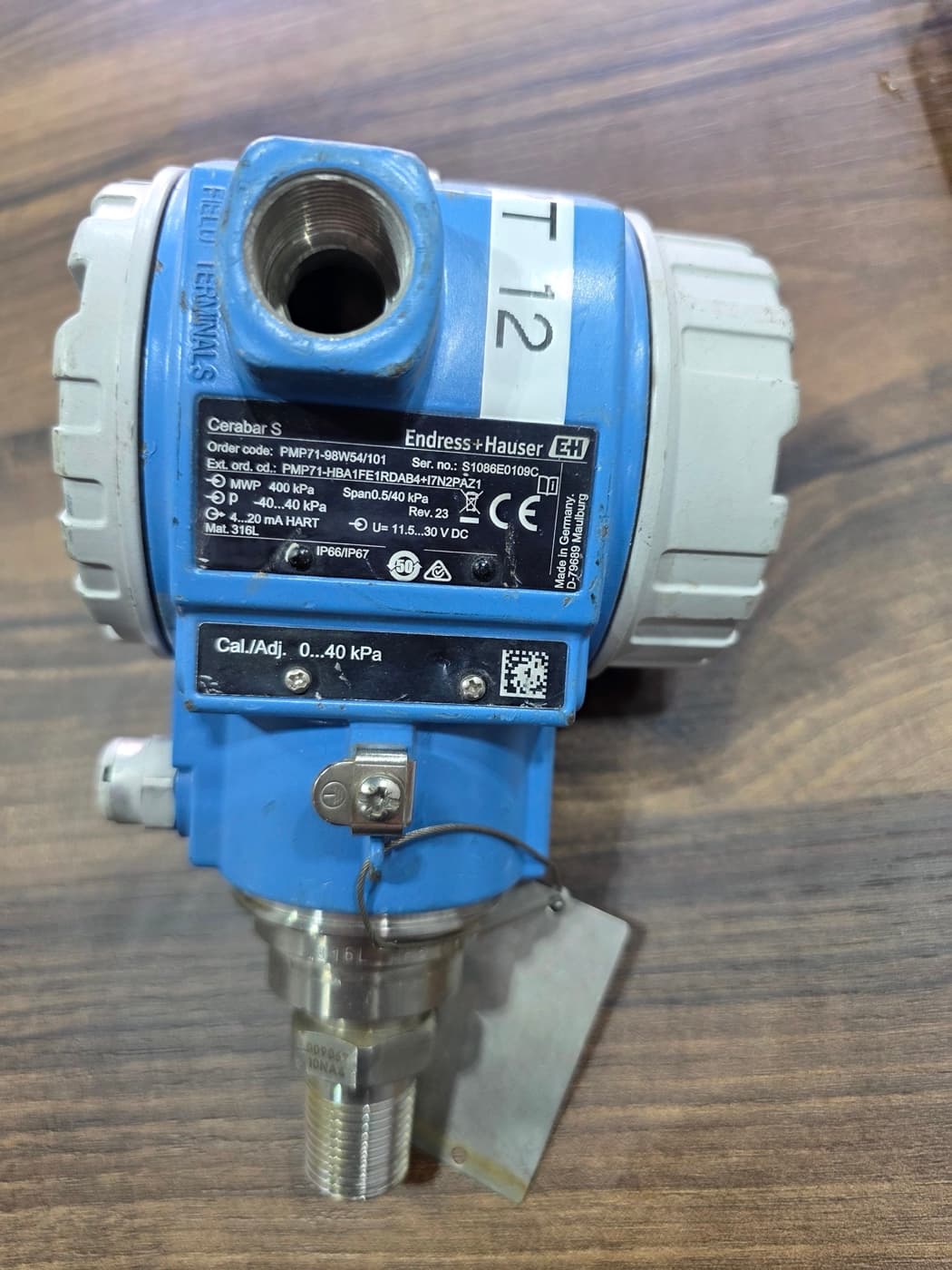 现货 7 台
Endress+HauserPressure Sensors & Transmitters
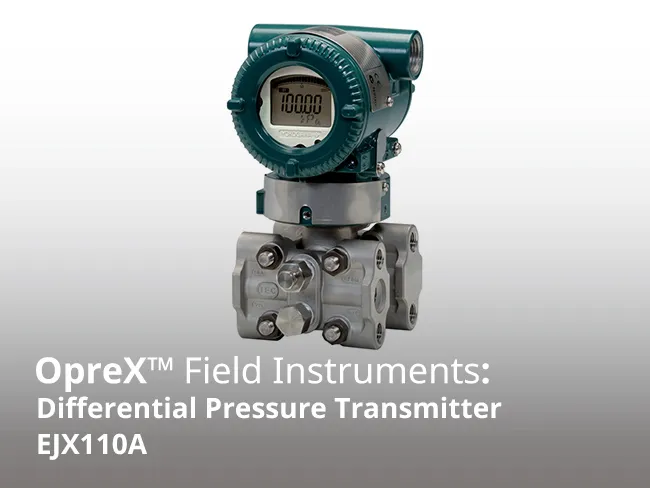 现货 5 台
YokogawaPressure Sensors & Transmitters