API · ASME · ISO · NIST · UKAS


Design, development, and management of databases for reliable data storage, security, and performance across your applications.
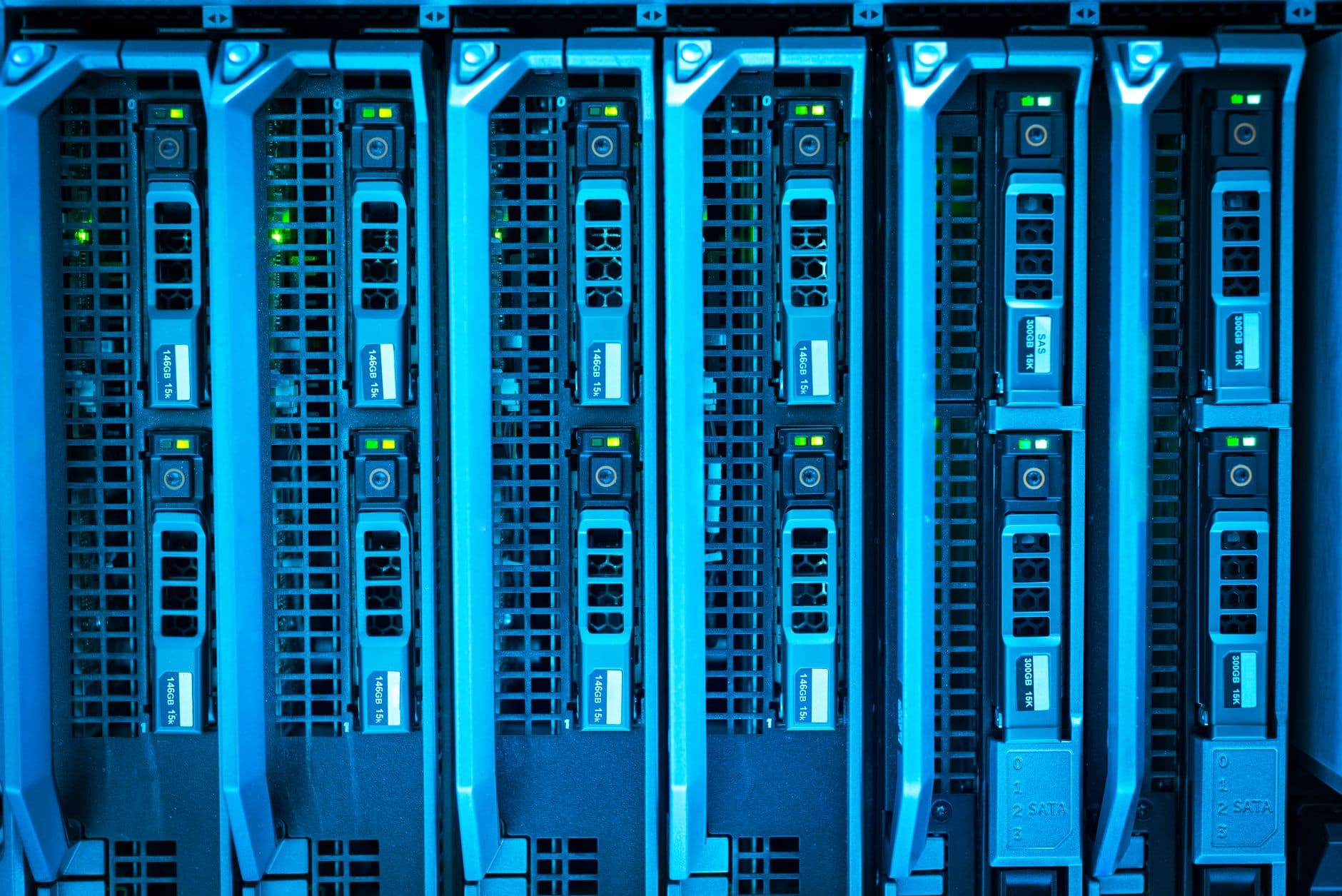
Your data is one of your most valuable assets — the trick is keeping it structured, fast, safe and easy to trust. We design database schemas that fit your business, choose the right SQL or NoSQL engine, and set up migrations, backups, indexing and security. Whether you are starting fresh or your current database has become slow or messy, we make your data an asset instead of a liability.
A good database starts with a clear model of your business — the entities, relationships and rules behind your data. We design normalized relational schemas or flexible document models, whichever fits, so your data stays consistent and your queries stay simple.
Good structure now saves painful, expensive rework later. We plan for the data you will have in two years, not just today.
We work across relational databases like PostgreSQL, MySQL and MariaDB, and document databases like MongoDB. Each has strengths — transactional integrity, flexible schemas, scale — and we choose based on your workload, not habit.
We also handle the details that matter in production: indexing, connection pooling, caching, and read/write patterns that keep the database fast as your data and traffic grow.
Moving from spreadsheets, an old system or a legacy database to a modern one is delicate work. We plan and run migrations carefully — cleaning, mapping and validating data so nothing is lost or corrupted along the way. We have migrated real legacy ERP data into modern systems ourselves.
And we treat backups as non-negotiable: automated, tested, off-site copies with a clear recovery plan, so a bad day never becomes a disaster.
When a database gets slow, everything built on it feels slow. We profile queries, add the right indexes, and tune the engine so reports and pages load quickly again. We also lock things down: encrypted connections, least-privilege accounts, and safe handling of personal and financial data.
We manage the databases behind our own accounting and e-commerce systems, so this is not theory — it is what we do every day, in your language and your time zone.
It depends on your data and how you use it. Structured, relational data with strong consistency needs (like accounting) often fits SQL; flexible, fast-changing or document-shaped data can fit NoSQL. We assess your case and recommend — sometimes both, each for the right job.
Yes. We audit the slow queries, review the schema and indexes, and apply targeted fixes — better indexing, query rewrites, caching or schema changes. Most slow databases can be dramatically improved without starting over.
Yes. We have migrated data from spreadsheets, legacy ERPs and old databases into modern systems, including cleaning and validating along the way. We plan the migration, run it on a copy first, and verify every record before going live.
Yes. We set up automated, off-site backups and a tested recovery procedure, and we can monitor and maintain the database on an ongoing plan — applying updates, watching performance and keeping your recovery plan current.
Tell us what you need and our engineering team will prepare a tailored proposal.