API · ASME · ISO · NIST · UKAS


Vacuum box leak testing and magnetic flux leakage inspection for storage tanks, floors, and pipelines to detect leaks and corrosion accurately.
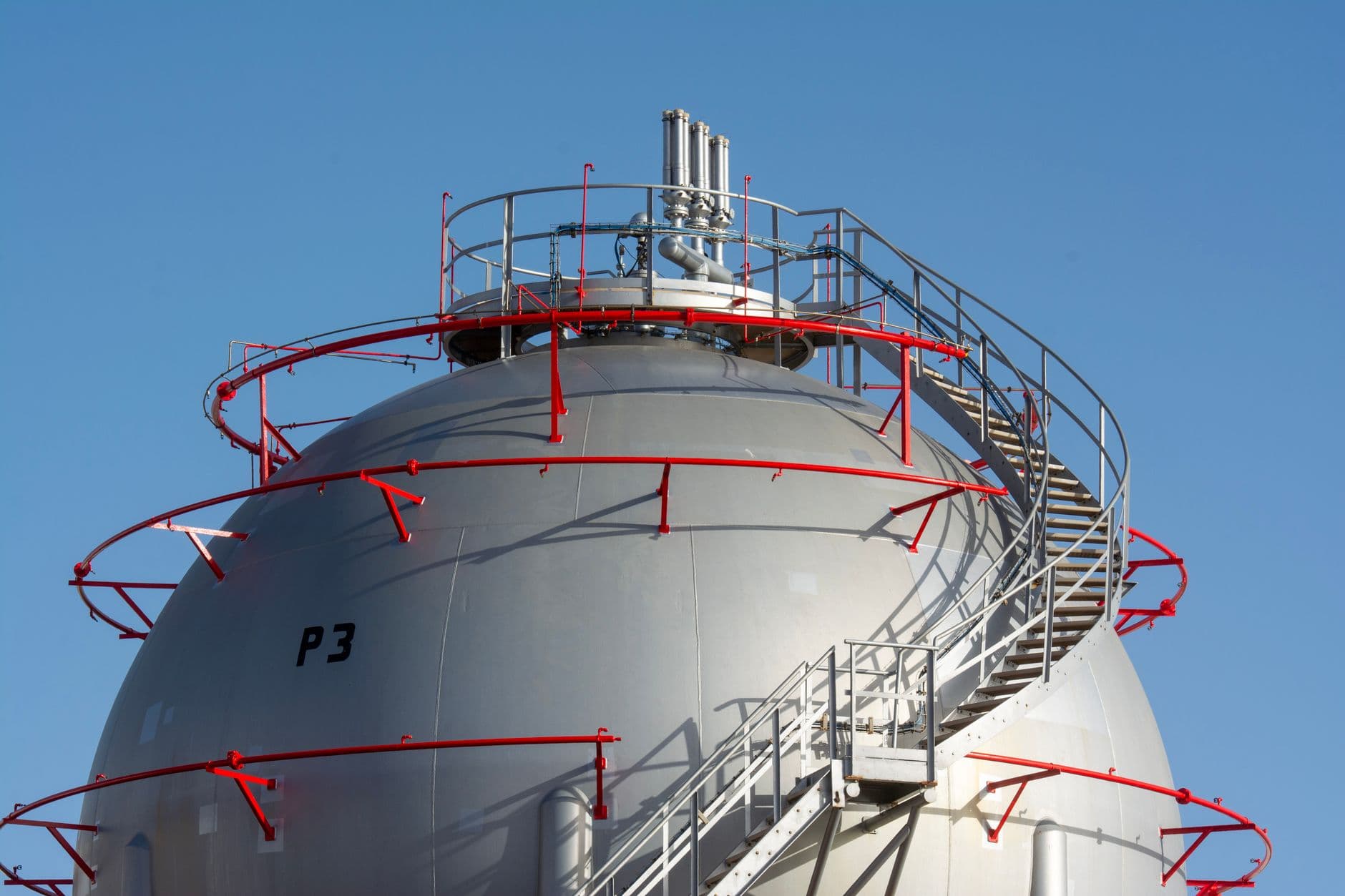
This service covers two complementary methods for tanks and floors. Vacuum-box leak testing proves the tightness of welds and tank-bottom seams: a soap solution is applied and a transparent box under partial vacuum is placed over the joint, so any through-leak forms visible bubbles. Magnetic Flux Leakage (MFL) is a fast screening method that scans large steel areas — tank floors and pipelines — by magnetising the plate and detecting flux leakage caused by corrosion, pitting and metal loss.
Together they answer the two questions that matter for storage tanks and pipelines: is it leak-tight, and how much wall is left. Findings are then confirmed and quantified with ultrasonic thickness measurement.
The area is cleaned and coated with a leak-detection (soap) solution. A clear-topped box fitted with a gauge and gasket is placed over the joint and a vacuum pump draws it down to a specified negative pressure. A leak path through the weld lets air pass from the higher-pressure side, forming a steady stream of bubbles that the inspector observes through the window.
It is the standard method for testing lap-welded tank bottom plates and weld seams that cannot hold a pressurised test, and needs access to only one side of the joint.
An MFL floor scanner drives a powerful magnetic circuit into the steel plate. Where the plate is sound the flux stays inside it, but where corrosion or pitting has thinned the wall the flux leaks out and is picked up by sensors between the magnet poles. The scanner therefore covers a tank floor quickly and flags every area of metal loss on the top or underside.
The same principle scans pipelines and tubes for internal and external corrosion. MFL is a screening tool: the areas it flags are then measured accurately with ultrasonic thickness gauging to quantify the remaining wall.
Vacuum-box testing is used wherever a weld or seam must be proven leak-tight but cannot be pressure-tested — most commonly aboveground storage tank bottom plates during new construction and out-of-service inspection. MFL is the go-to first pass for tank-floor condition assessment during API 653 inspections and for rapid pipeline corrosion screening.
Both are efficient over large areas and safe (no radiation), but neither gives an exact wall thickness on its own — MFL locations are always confirmed by UT before a repair decision.
Vacuum-box results record the applied vacuum, solution, box coverage and every leak location; acceptance is simply no continuous bubble formation, per ASME BPVC Section V Article 10 and API 650/653. MFL results map the scanned floor into remaining-thickness bands, with follow-up UT readings tabulated against the minimum required thickness.
A tank-floor report combines the MFL coverage map, UT confirmation points and settlement/visual findings to support the API 653 fitness assessment and re-inspection interval. Personnel are certified to ASNT SNT-TC-1A or ISO 9712.
No — MFL is a fast screening tool that classifies metal loss into bands (for example percentage-of-wall categories) and pinpoints where corrosion is. Exact remaining thickness at each flagged spot is then measured with ultrasonic testing (UT). The two are used together: MFL to find, UT to quantify.
A tank bottom or an open lap-welded seam cannot be sealed and pressurised, so a differential pressure has to be created another way. The vacuum box does exactly that — it lowers the pressure on one side of the joint while atmosphere pushes air through any leak from the other side, revealing it as bubbles. It only needs access to one face and no water or high pressure.
Vacuum-box and MFL floor scanning are internal-access methods, so they are performed during an out-of-service, cleaned and gas-freed tank inspection (typically an API 653 internal). Pipeline MFL and external UT can often be done in service. We plan the method around the shutdown scope and confirmed permit-to-work conditions.
Tell us what you need and our engineering team will prepare a tailored proposal.