 5 units in stock
YokogawaPressure Sensors & Transmitters


 1 / 12
Pick one of the units to buy.
 UsedSelected
 Used
Used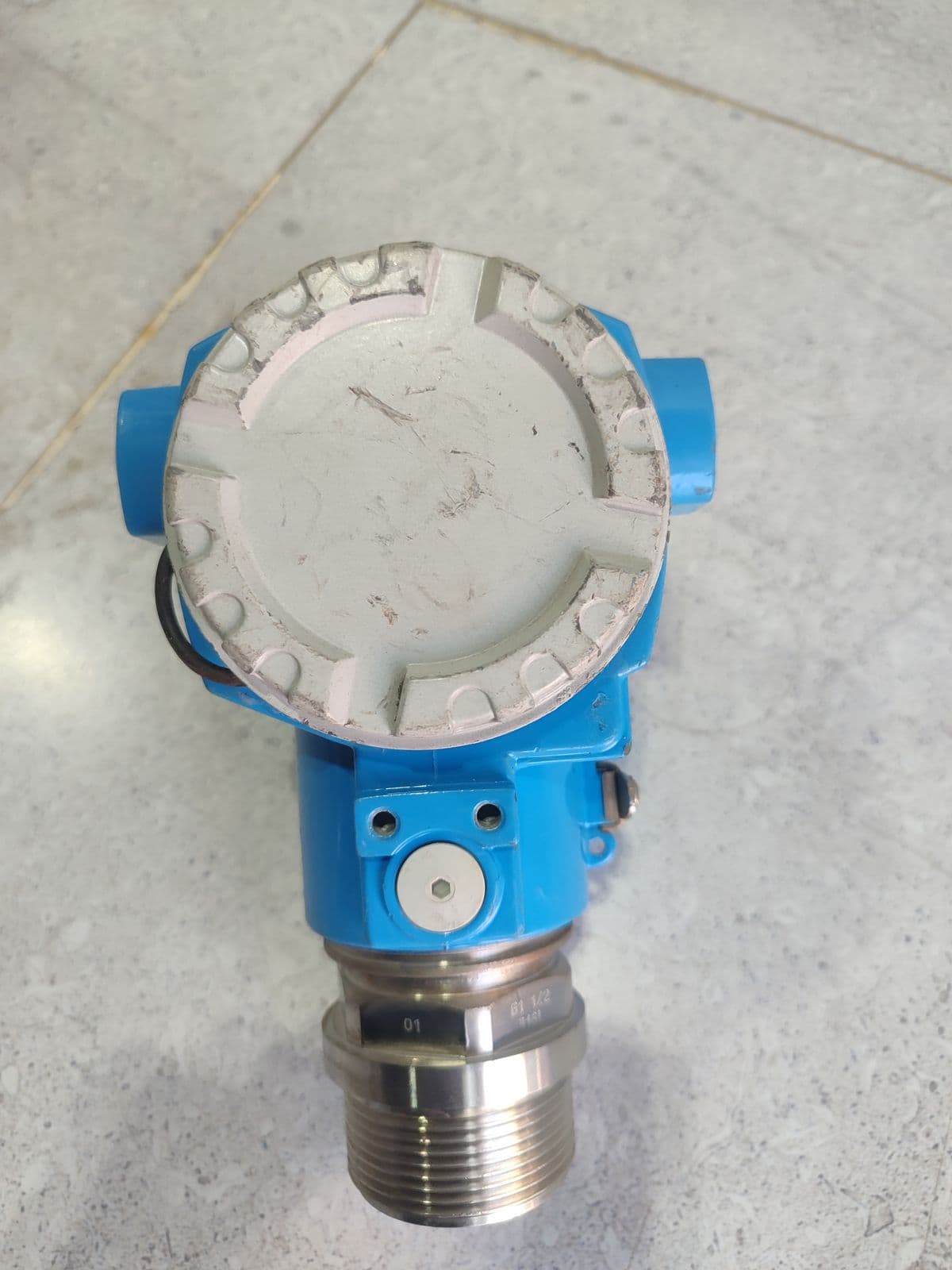 Used
Used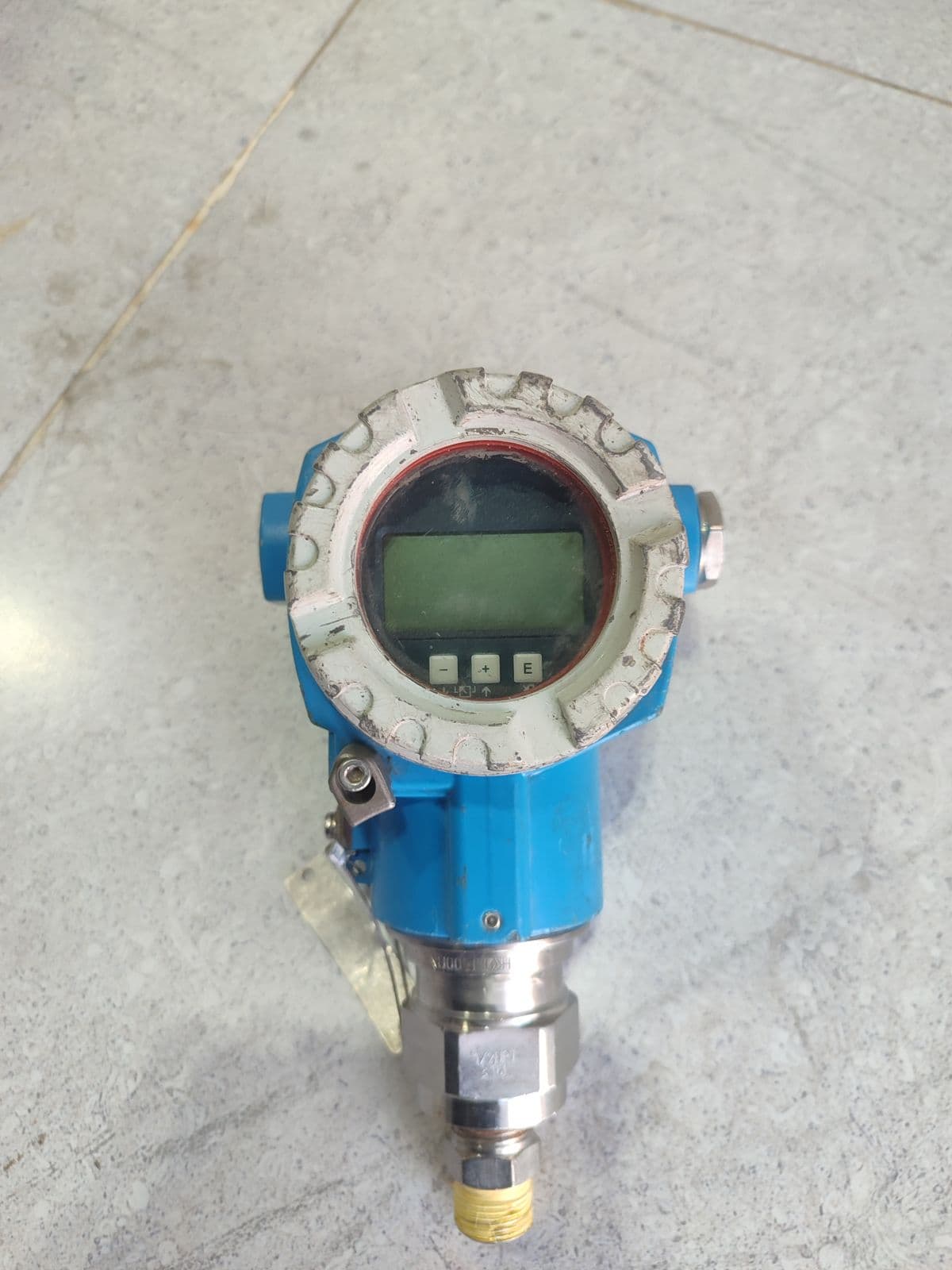 Used
Used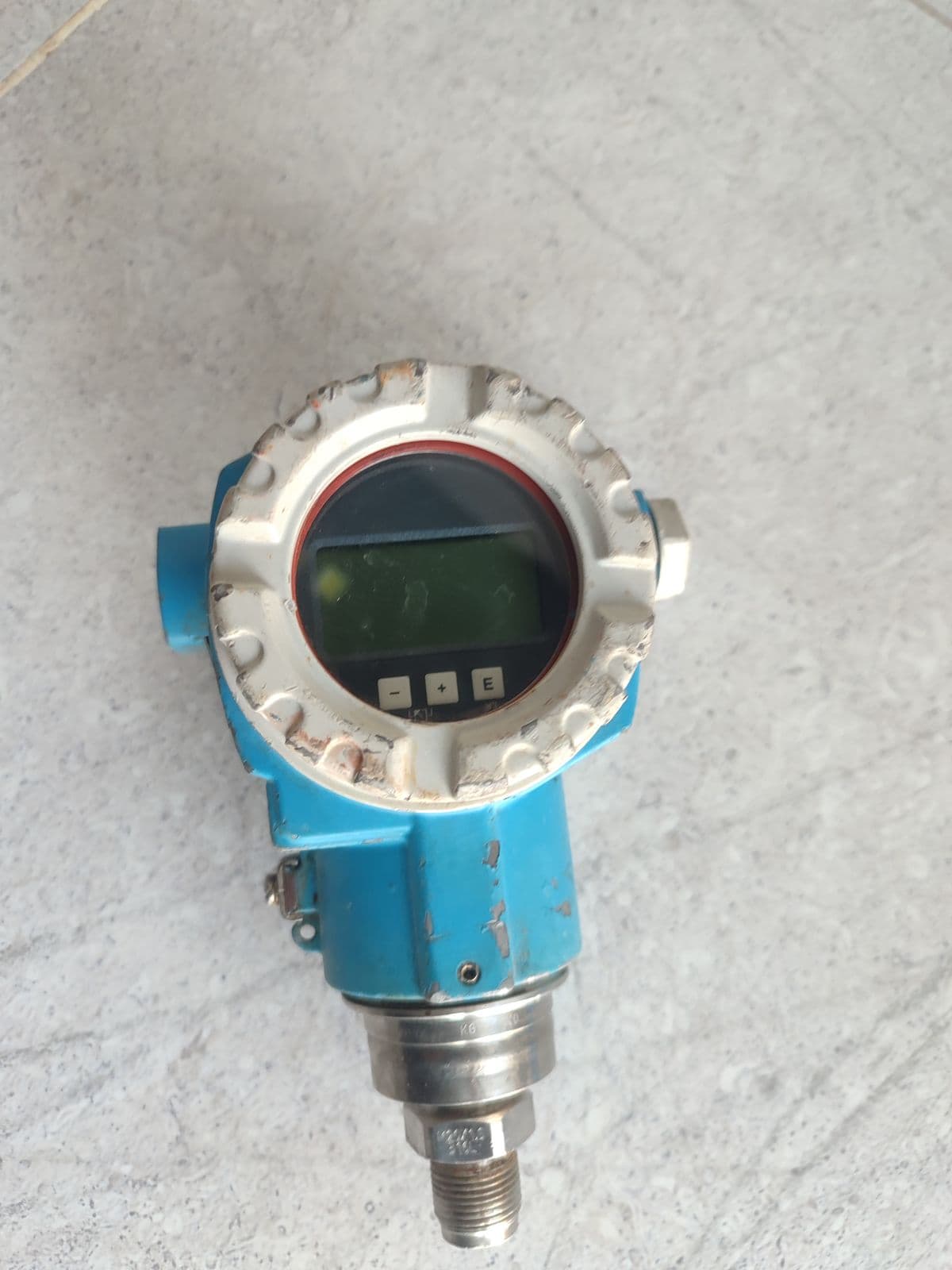 Used
Used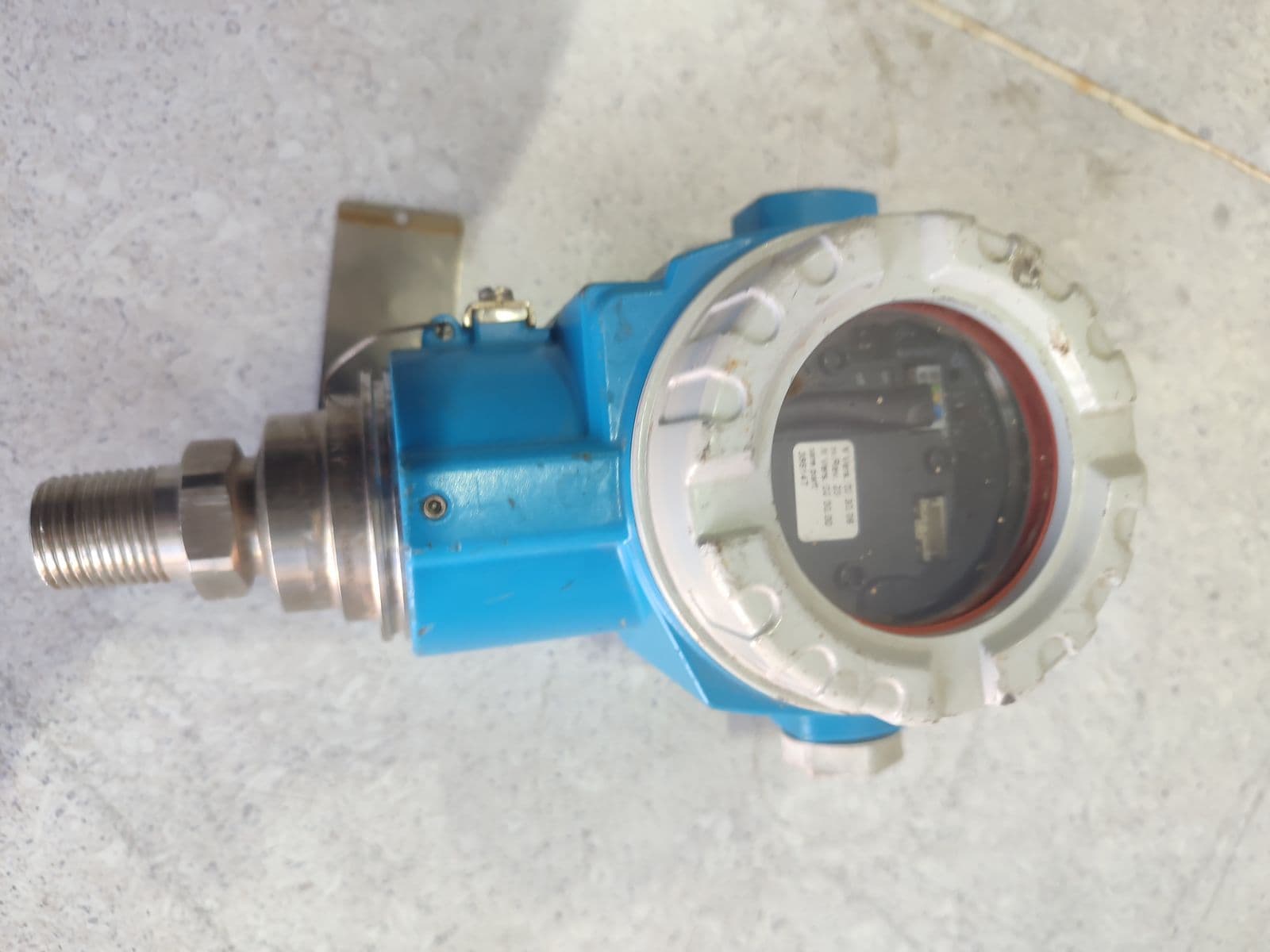 Used
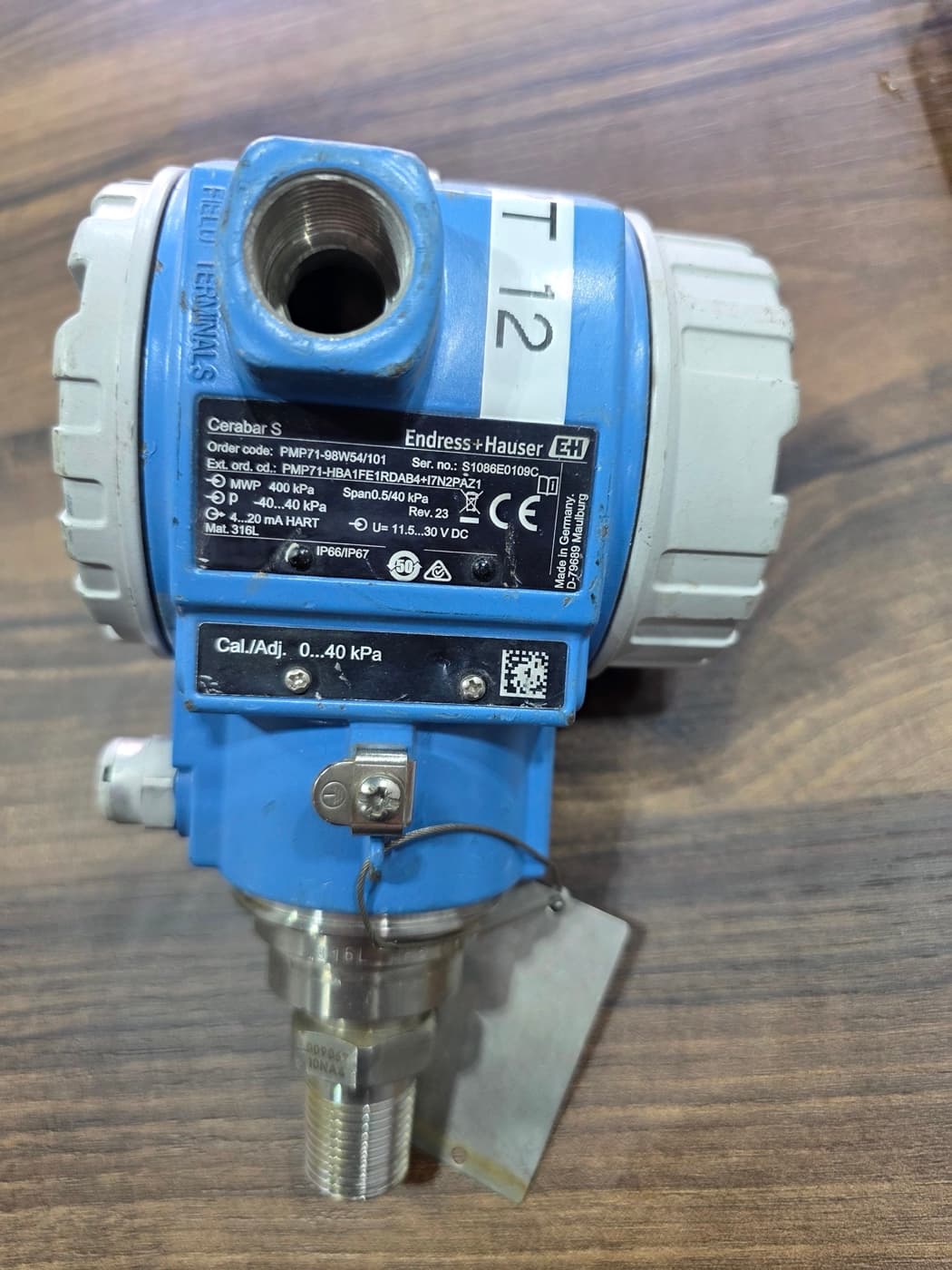
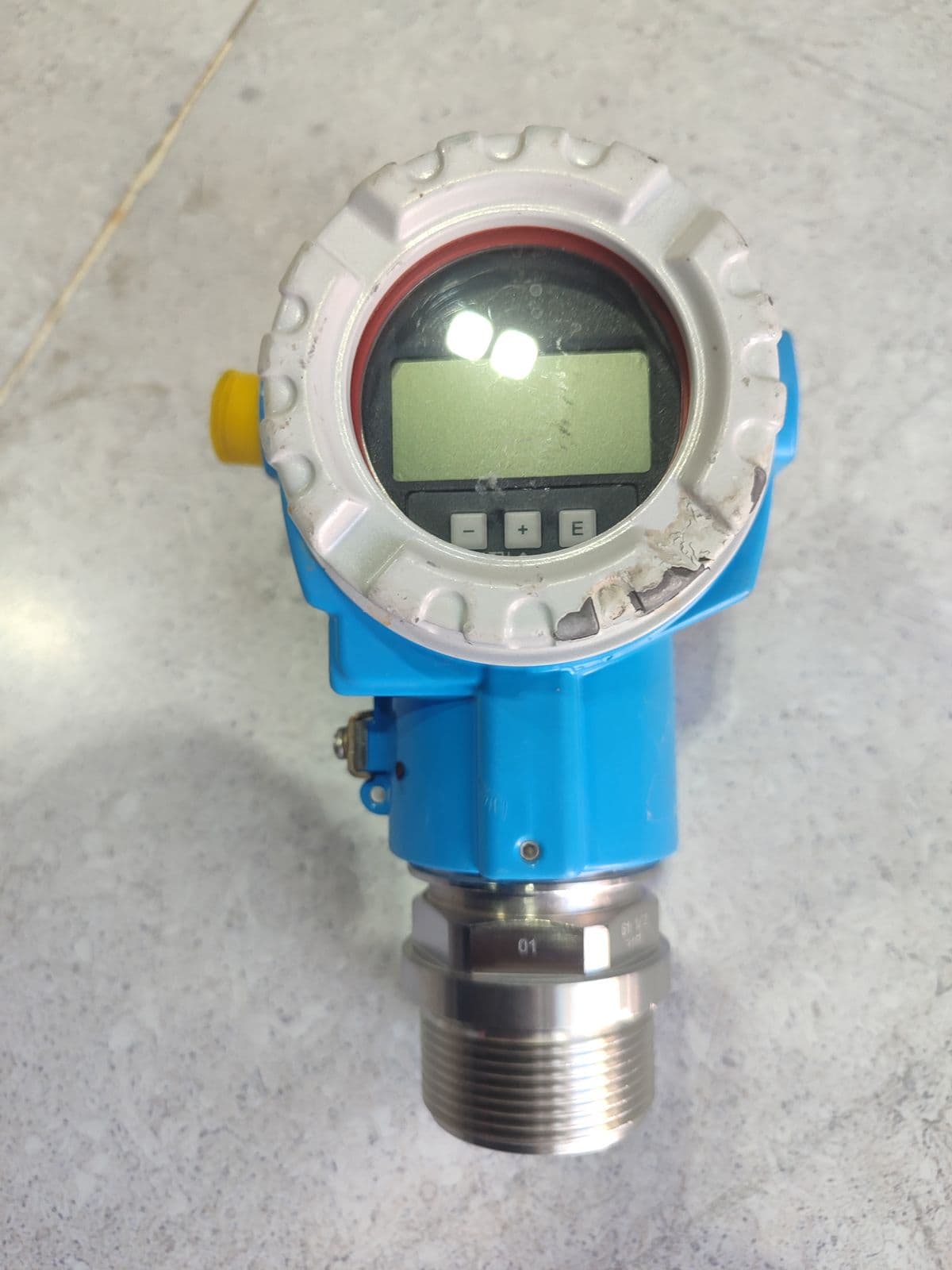
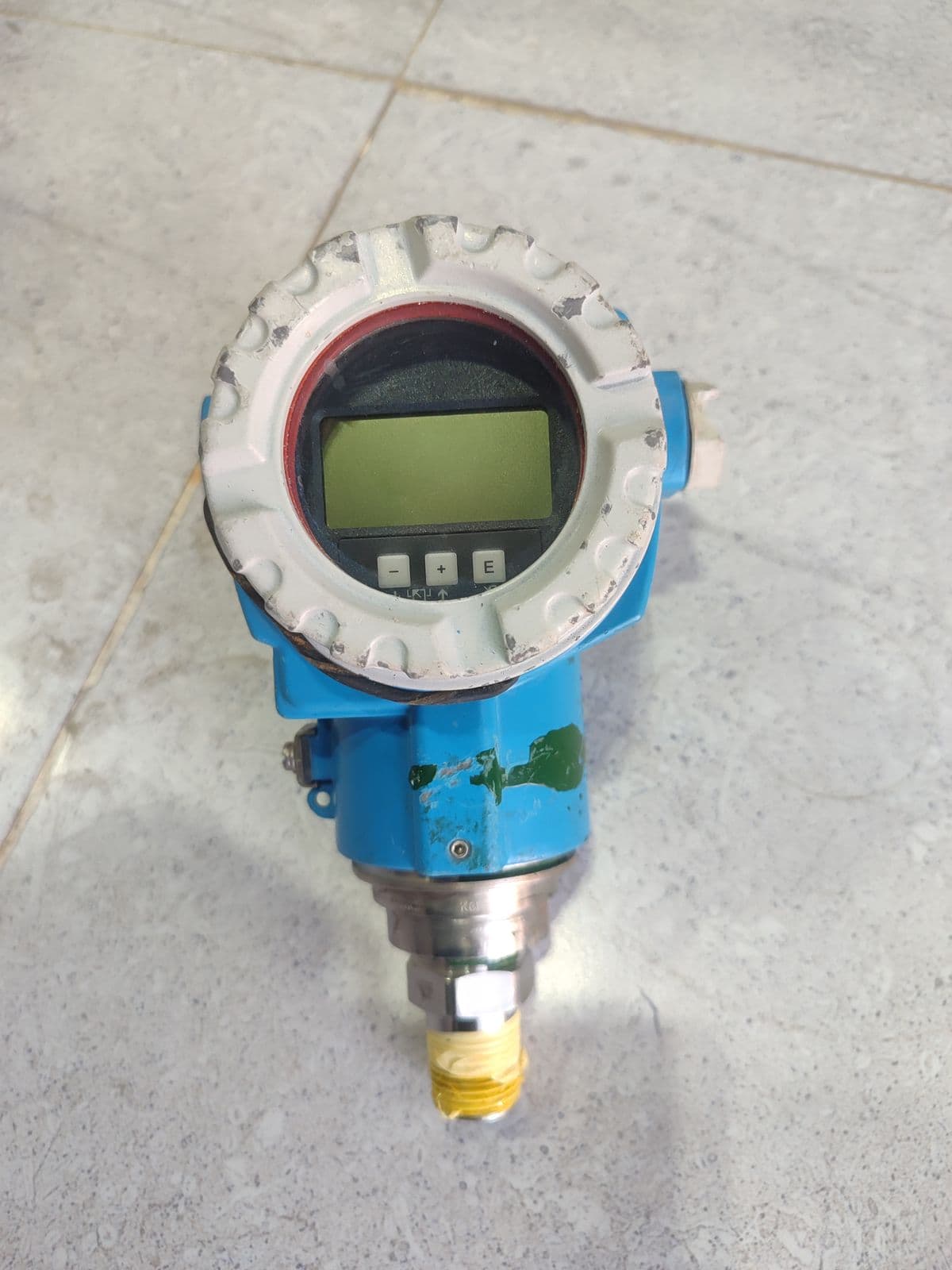
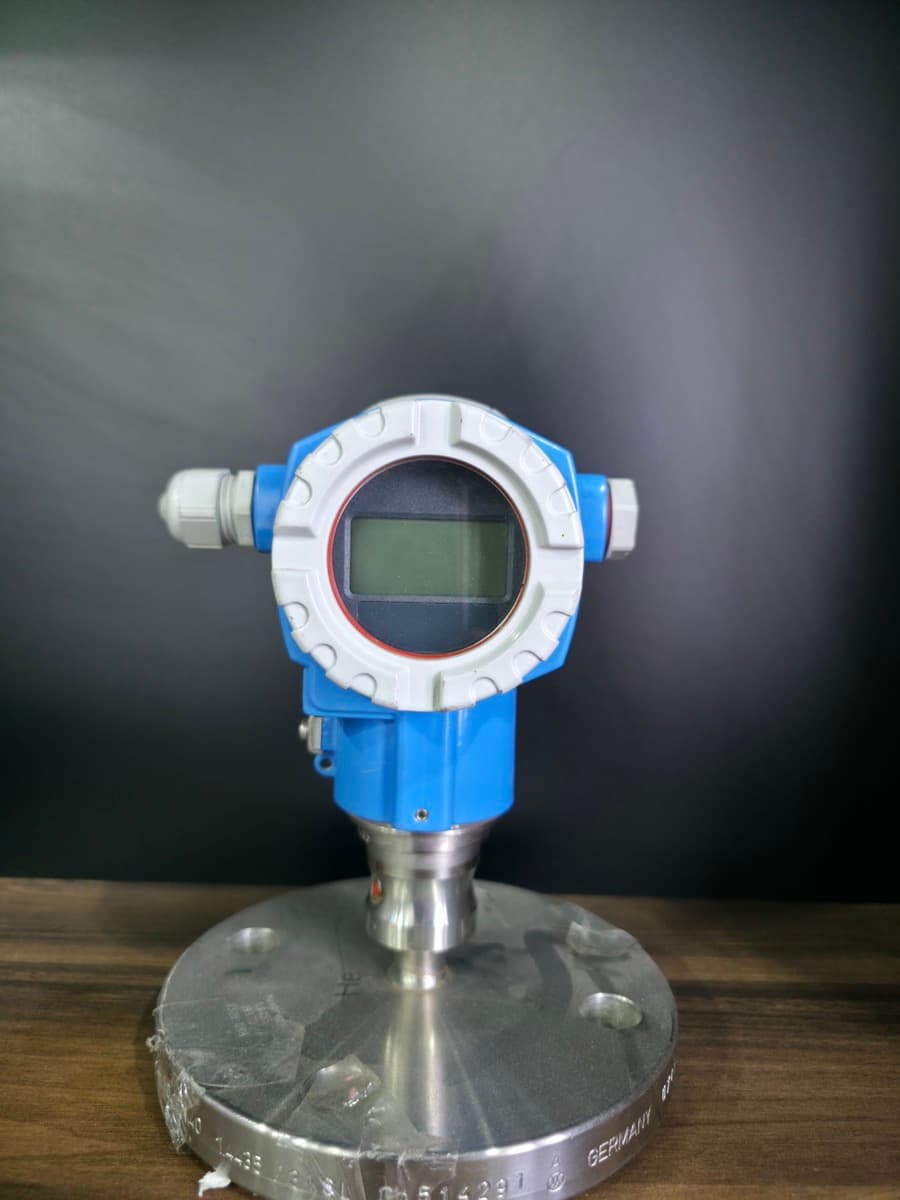
UsedCerabar S PMP71 — Endress+Hauser's metallic piezoresistive pressure transmitter with a direct process connection and 4…20 mA HART output. Several devices are in Barmaan's warehouse with different calibrated ranges, from −40…40 kPa up to the 10 MPa class, and with three different hazardous-area classes. Each device has its own card and its own nameplate photograph on this page; none has been inspected yet, so condition is stated as unknown.
The Endress+Hauser Cerabar S PMP71 is the metallic-sensor, direct-connection member of the Cerabar S process-pressure family. A welded metallic piezoresistive cell sits directly behind the process connection, with no diaphragm seal and no capillary, which is what makes it the family's standard choice wherever the medium is compatible with a stainless sensor.
WHAT IS ACTUALLY IN STOCK. This page does not describe one device. Several Cerabar S transmitters are held in Barmaan's warehouse and they are not interchangeable. Their calibrated ranges span three orders of magnitude — 0…40 kPa, 0…200 kPa, 0…1 MPa, 0…4 MPa and 0…10 MPa — one of them measures ABSOLUTE rather than gauge pressure, and they carry three different hazardous-area classes: several with no Ex label at all, one flameproof unit certified II 2 G Ex d IIC T6…T4 Gb under KEMA 04 ATEX 2018, and one intrinsically safe unit marked Ex ia IIC T6…T4 Ga/Gb under NEPSI certificate GYJ20.1134X. Use the device selector above to pick the one that fits your point; every figure on every card was read off that device's own nameplate, and that nameplate is photographed on this page.
WHAT THEY SHARE. All of them are 4…20 mA with HART, all are IP66/IP67 (NEMA 4X/6P), all have stainless wetted parts (316L / 1.4435 / 1.4404 as printed on each plate), and all are the classic Cerabar S generation with the twelve-character order code — not the newer Cerabar PMP71B, which is a different product with different documentation.
CONDITION, HONESTLY. These are stock instruments, not factory-sealed goods, and none of them has been through Barmaan's inspection bench yet: the condition of every unit is recorded as «not inspected». We do not claim they are new and we do not claim they are calibrated. What we can show is the metal: the nameplate of each device is legible in the photographs on this page, three of them were built at Endress+Hauser Maulburg in Germany and three at Endress+Hauser Suzhou in China, and you are welcome to inspect any of them in person at the warehouse before you commit.
ABOUT THE PRODUCT LINE. The figures below that are not on a nameplate — reference accuracy, turn down, long-term stability, temperature limits — are properties of the Cerabar S line as published by Endress+Hauser in Technical Information TI00383P, linked in the documents section. They describe what a Cerabar S PMP71 is capable of when it leaves the factory correctly calibrated. They are not measurements of the devices in this warehouse, and this page does not present them as such.
TO BUY. Prices are quoted per device, because the devices differ. Submit a proforma request from this page naming the unit you want (each card shows its order code) and Barmaan's engineers will come back with price and delivery terms. Selection advice, installation and commissioning support are available.
| Attribute | Value |
|---|---|
| General | |
| Manufacturer | Endress+Hauser — both plants appear on the plates in stock: Maulburg, Germany (D-79689) and Suzhou, China (215021) |
| Family / model | Cerabar S · PMP71 (the classic generation with a 12-character order code — not the newer Cerabar PMP71B) |
| Device type | Process pressure transmitter — metallic piezoresistive sensor, direct process connection (no diaphragm seal, no capillary) |
| The devices in this warehouse (from their nameplates) | |
| Output / communication | 4…20 mA with HART — printed on every nameplate in stock, no exceptions |
| Calibrated ranges available | 0…40 kPa · 0…200 kPa · 0…1 MPa · 0…4 MPa · 0…10 MPa (two devices). Pick a device above to see its own figure — this is a variation axis, not a single product value. |
| Gauge or absolute | Mostly gauge (relative). One device in stock is an ABSOLUTE-pressure build, 0…10 MPa abs — its plate and its order code agree. |
| Hazardous-area approval | Three classes in stock: several devices with no Ex label (safe area only) · one ATEX II 2 G Ex d IIC T6…T4 Gb, KEMA 04 ATEX 2018, cable entry M20×1.5, −40…+75 °C, safety instructions XA249P · one Ex ia IIC T6…T4 Ga/Gb, NEPSI GYJ20.1134X, Ui 30 V / Ii 300 mA / Pi 1 W, safety instructions XA00549P. Ex d and Ex ia are different installation methods and are not interchangeable. |
| Supply voltage | 11.5…45 V DC on the non-Ex and Ex d devices; 11.5…30 V DC on the intrinsically-safe (Ex ia) device — as printed on each plate |
| Wetted materials | Stainless steel as printed on each plate — «Mat. 316L» or «Mat. 1.4435/316L, 1.4404/316L» or «Mat. 1.4435/316L, 1.4435/316L» |
| Ingress protection | IP66 / IP67 · NEMA 4X / 6P |
| Process connection | Four different threads in stock, all AISI 316L: ISO 228 G1½ A flush-mounted · ½ NPT male · ½ NPT female · DIN 13 M20×1.5 (EN 837). This is a variation axis — pick a device above. Each thread is decoded from that device's own extended order code against the ordering tables in TI00383P rev. 18.13 pp. 87–88, and the decode is checked against metal: the G1½ device has «G1 1/2» and «316L» stamped on its hex flat, photographed on this page. |
| Year of manufacture | Not one batch: 2007, 2012 and 2021 builds are all present, shown per device on its card. No Cerabar S nameplate prints a build date — these come from Endress+Hauser's own Device Viewer, queried serial by serial. |
| Order code | Different on every device — shown on that device's own card. The old value on this page, PMP71-98W54/101, is the short order code of ONE unit and was never a model number. |
| Condition | Not inspected. Barmaan's warehouse records «unknown» for the condition, authenticity, calibration and completeness of every one of these devices. Inspection at the warehouse before purchase is welcome. |
| Product-line data (per TI00383P — not a measurement of these devices) | |
| Reference accuracy | Standard version, up to ±0.05 % of the set span (TI00383P rev. 30.17, pp. 9 and 30). Rev. 18.13 of the same document quoted ±0.075 % for the same cells, so the figure depends on which revision covers a given build. None of the devices in stock ordered the PLATINUM accuracy option — their order codes select no accuracy option at all — and no accuracy figure is printed on any of their nameplates. This is a datasheet figure for a correctly calibrated device, not a measurement of these ones. |
| Turn down | Up to 100:1, higher on request or settable at the device (TI00383P rev. 18.13, pp. 1 and 8). Turn down = sensor URL ÷ the span you set. |
| Long-term stability | ≈ ±0.05 % of URL per year on the mid-range cells; the per-cell table in TI00383P rev. 18.13 p. 22 gives ±0.025 %/yr for the 10 bar and 40 bar cells and ±0.05 %/yr for the 100 bar and 400 bar cells. |
| Ambient temperature | −40…+85 °C without a display; −20…+70 °C with the LCD fitted (extendable to −40…+85 °C with reduced display speed and contrast). Storage −40…+90 °C. Every device in stock has the LCD, so the −20…+70 °C figure is the operative one. TI00383P rev. 18.13 p. 31. |
| Process temperature | PMP71 line: −40…+125 °C at the internal-diaphragm connections. The flush G1/G1½/G2/NPT connections are rated −40…+100 °C, and the flush G½ and M20×1.5 connections only −20…+85 °C — which matters here, because one device in stock has the M20×1.5 connection. TI00383P rev. 18.13 pp. 4 and 33. |
| Functional safety (SIL) | The Cerabar S 4…20 mA line is developed to IEC 61508 and may be used for pressure and level monitoring up to SIL 3 (TI00383P rev. 18.13 pp. 1 and 80; Functional Safety Manual SD00190P, linked below). Three of the devices in stock carry a «SIL» mark on the plate, but NONE of their order codes selects the SIL variant or the SIL Declaration of Conformity — so that mark reflects the line's capability, and these devices are not offered as SIL-certified. |
| Configuration memory | HistoROM®/M-DAT is an OPTIONAL plug-on module (part 52027785), ordered as feature 100/110 option N and retrofittable at any time. It clones a transmitter's configuration onto another and logs pressure, sensor temperature, alarms and range excursions. None of the order codes in stock selects it, so assume the devices do not have it unless you see the module. TI00383P rev. 18.13 p. 73 and pp. 88–89. |
| Manufacturer lifecycle status | PHASE OUT. Endress+Hauser's own Device Viewer reports, for every serial in this warehouse: product status «Phase out» since 12/2024, order stop 6/2027, spare parts and repair available until 7/2030, spare sensor and calibration still open, and «new alternative: PMP71B». Buying from stock is how an installed Cerabar S gets replaced like for like; a new project should be quoted a PMP71B instead, and we will do that if you ask. |
| Model code | Description | Measuring range |
|---|---|---|
| PMC71 | Cerabar S PMC71 — ceramic sensorOil-free capacitive ceramic cell (Mat. AL2O3 on the plate) — vacuum-tight and overload-resistant. A different product on this site. | |
| PMP71 | Cerabar S PMP71 — metallic sensor, direct connectionThis page. Metallic piezoresistive cell behind a threaded process connection, for media compatible with a stainless sensor. | |
| PMP75 | Cerabar S PMP75 — with diaphragm sealSame metallic cell, but behind a diaphragm seal — for hot, viscous, crystallising or corrosive media that must not reach the sensor. Barmaan stocks these under a separate product page. |
All listed models can be supplied with your required certification, output protocol and process connection — contact us or request a quote for exact model-code selection.
They are warehouse stock and none of them has been inspected yet. Barmaan's records state «unknown» for the condition, authenticity, calibration status and completeness of every device on this page, and this page will not say otherwise. What is verifiable is on the page itself: each device is photographed individually and its nameplate — order code, range, supply, approval, plant of manufacture — is legible in those photographs. You are welcome to inspect any device at the warehouse before you commit, and if a device's condition matters to your decision, ask us and we will grade it and record the result.
No — and this is the most important thing to get right before ordering. The devices in stock are calibrated over five different ranges: 0…40 kPa, 0…200 kPa, 0…1 MPa, 0…4 MPa and 0…10 MPa. A cell is not re-rangeable beyond its own turn-down, so a 40 kPa device physically cannot serve a 10 MPa point and a 10 MPa device cannot resolve a 40 kPa one. Use the range selector at the top of the page: each device card shows the calibration printed on its own nameplate, and the same figure appears in that device's photographs.
Some of them, and it depends entirely on which device you take — the approval is a property of the individual instrument, not of the model. In stock right now: several devices carry no Ex label at all and are for safe areas only; one is flameproof, marked II 2 G Ex d IIC T6…T4 Gb under certificate KEMA 04 ATEX 2018, with an M20×1.5 cable entry and an ambient range of −40…+75 °C; and one is intrinsically safe, marked Ex ia IIC T6…T4 Ga/Gb under NEPSI certificate GYJ20.1134X with entity parameters Ui = 30 V, Ii = 300 mA, Pi = 1 W. Both approval labels are photographed on this page. Ex d and Ex ia are different protection concepts with different wiring and different site paperwork — the relevant safety instructions are XA249P for the Ex d device and XA00549P for the Ex ia device, and neither substitutes for your own hazardous-area assessment.
All three are Cerabar S. PMC71 uses an oil-free capacitive CERAMIC cell — its nameplate prints «Mat.: AL2O3» — and is chosen for vacuum service and overload resistance. PMP71 and PMP75 both use a metallic piezoresistive cell — their plates print 316L / 1.4435 / 1.4404 — and differ in how that cell meets the process: PMP71 (this page) sits directly on a threaded connection, while PMP75 sits behind a diaphragm seal for hot, viscous, crystallising or corrosive media. One line on the plate settles which one you are holding, and that line is photographed for every device on this page.
No. PMP71B is a later generation with a different electronics platform, a different (much longer) order-code structure and its own safety documentation. Every device on this page carries the classic Cerabar S twelve-character order code and the classic safety-instruction references. If your specification names PMP71B specifically, none of these devices satisfies it — tell us and we will source the right one.
Price is quoted per device, because the devices differ in range and approval and are therefore not worth the same. Submit a proforma request from this page and name the device you want — every card shows its order code, which is the unambiguous way to identify it. Barmaan's engineers reply with price and delivery terms. The devices are physically in the warehouse, so there is no overseas procurement lead time once an order is confirmed, and inspection in person before purchase is welcome.
5 units in stockYokogawaPressure Sensors & Transmitters
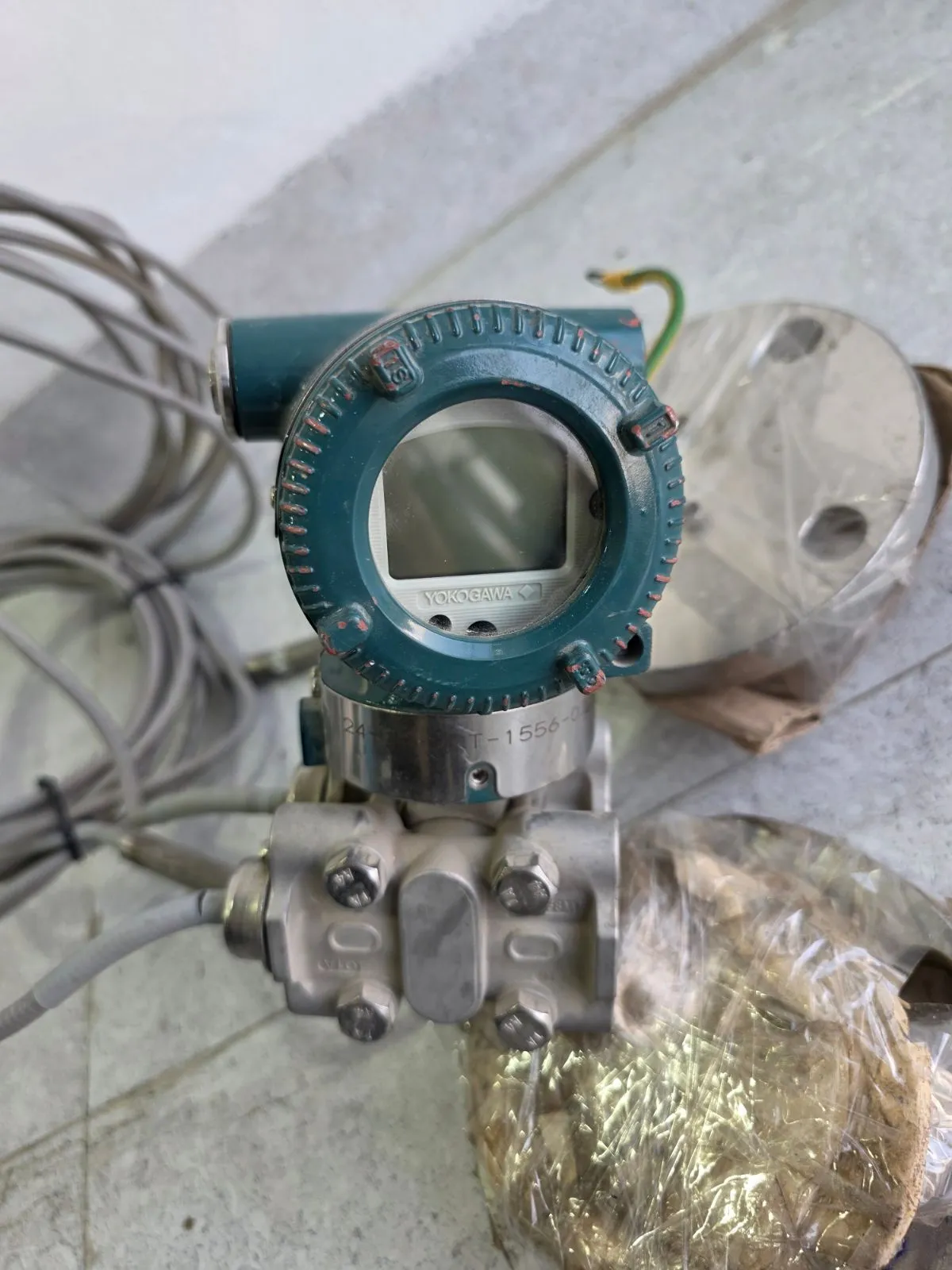 Out of stock
YokogawaPressure Sensors & Transmitters
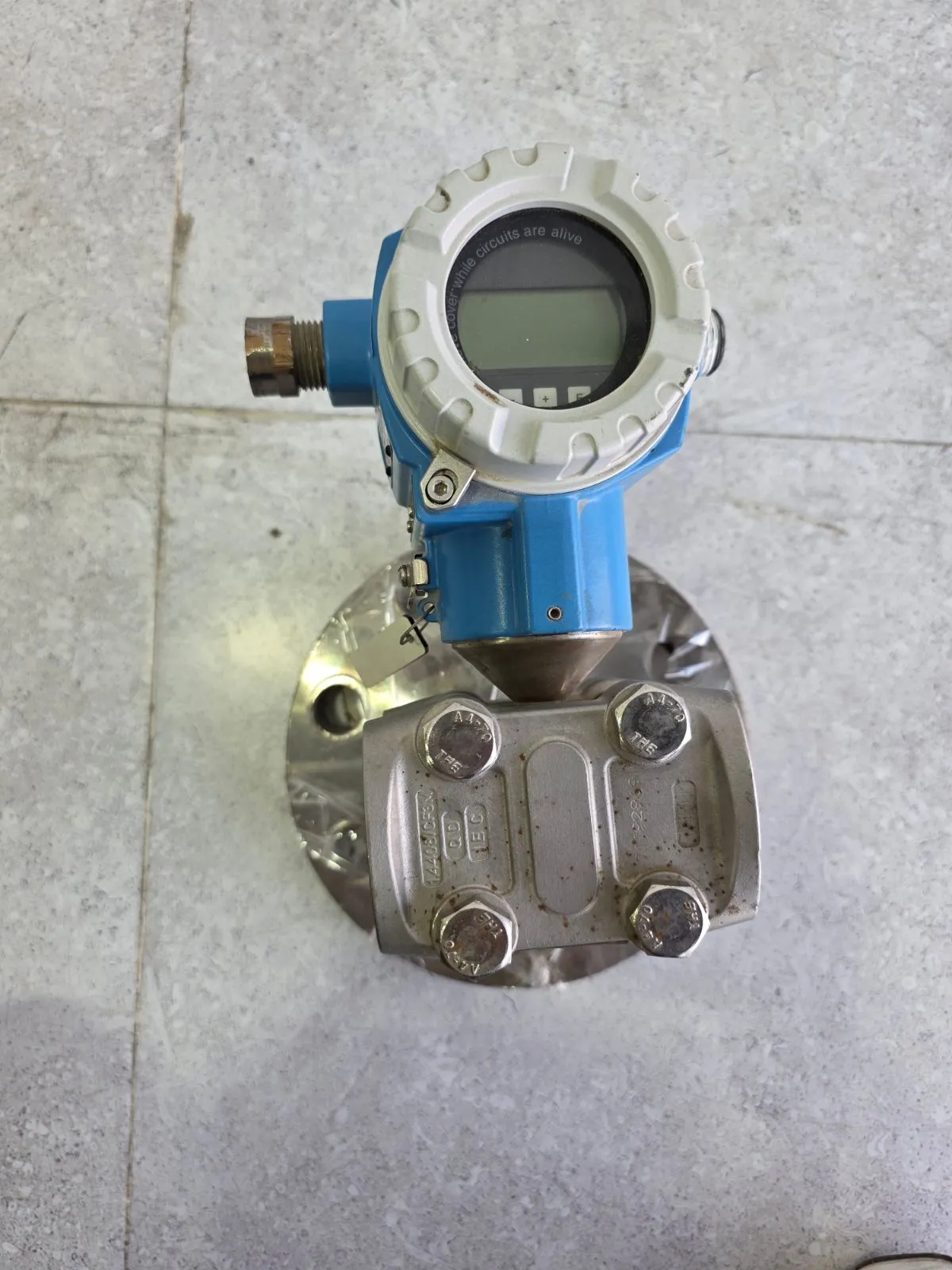
Endress+HauserPressure Sensors & Transmitters
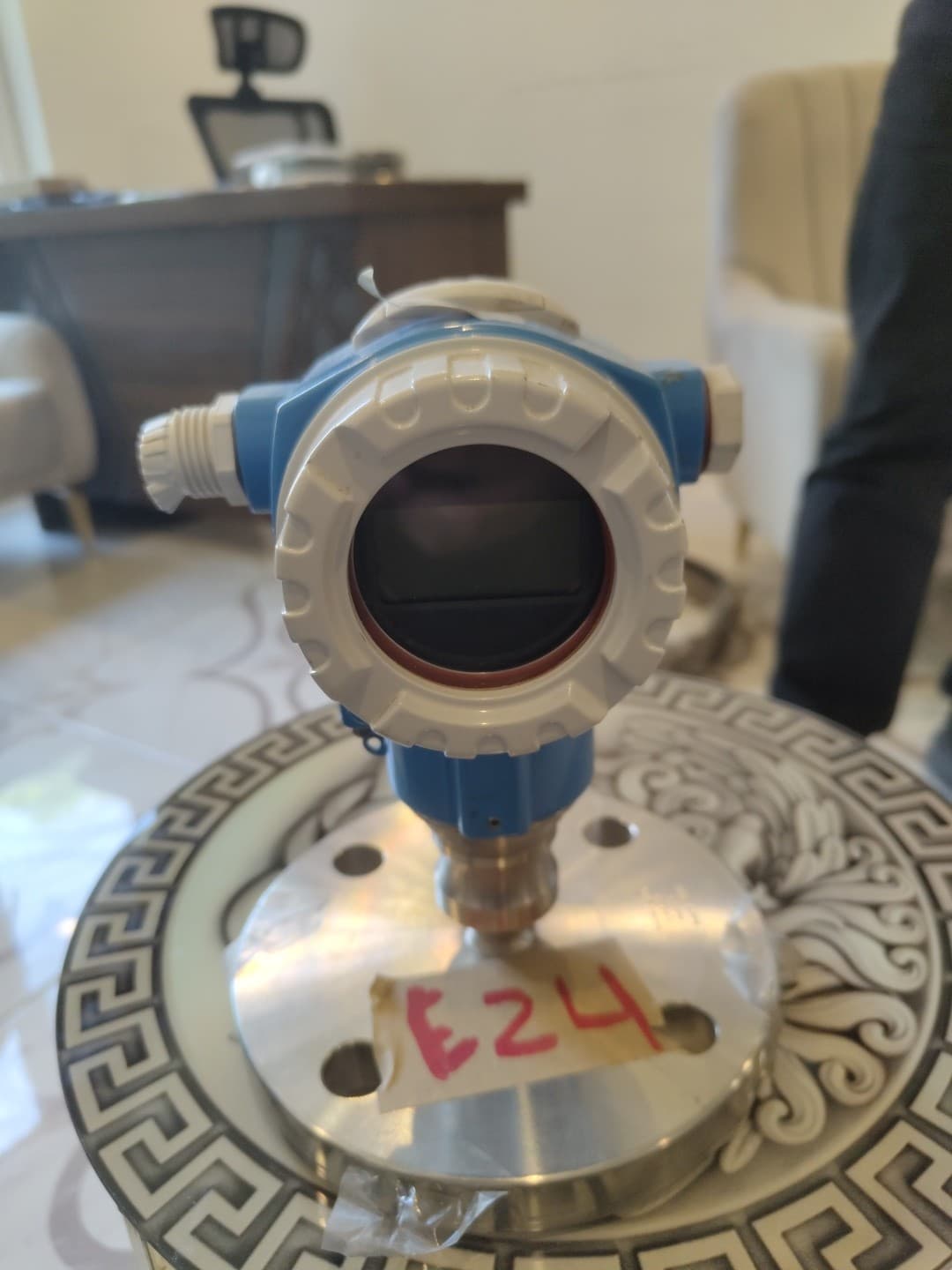 Out of stock
Endress+HauserPressure Sensors & Transmitters
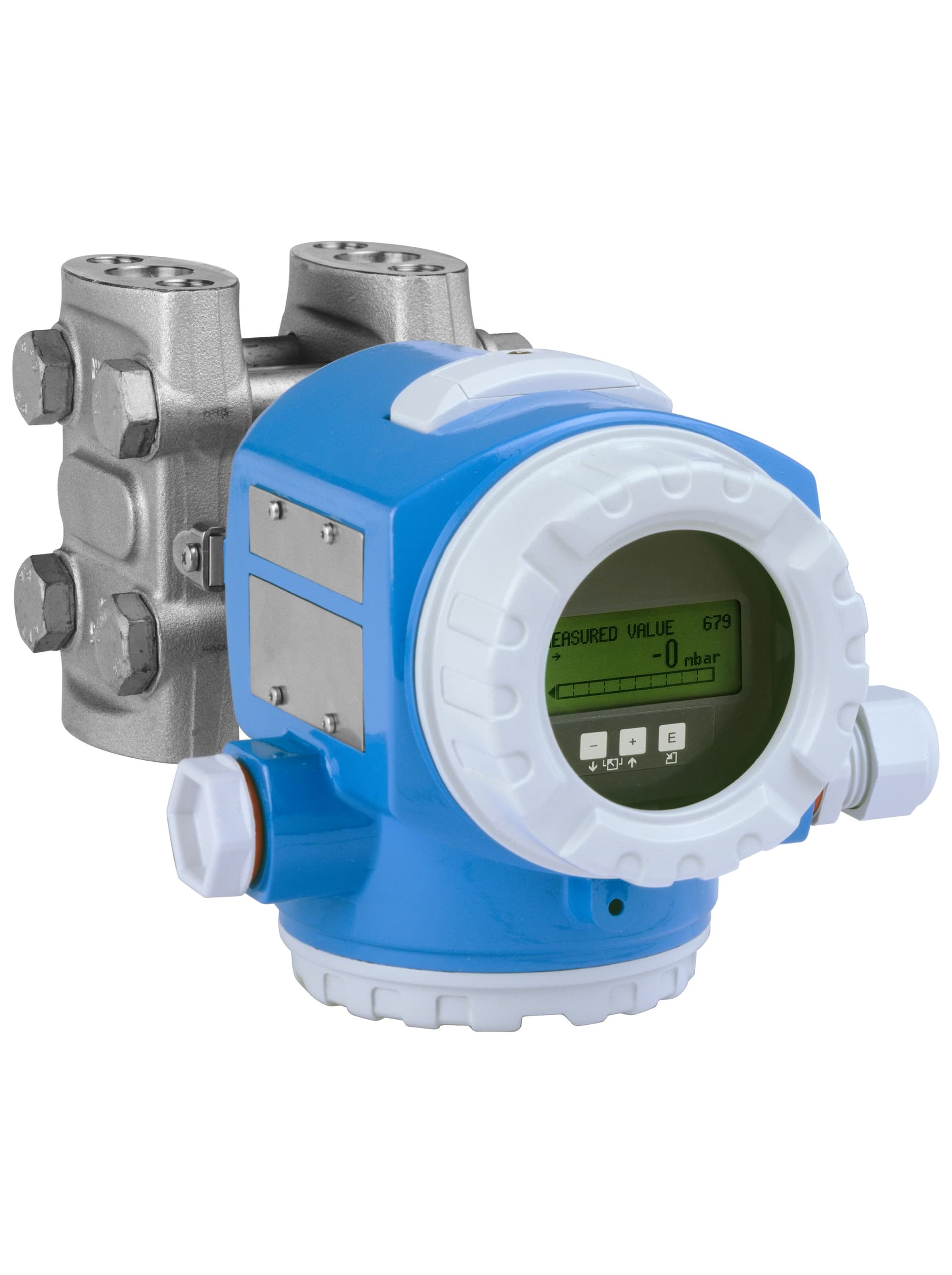 27 units in stock
Endress+HauserPressure Sensors & Transmitters
 4 units in stock
Endress+HauserPressure Sensors & Transmitters
Calibration, testing and supply services for this equipment